Roof Cleaning & Moss Removal for Pacific Northwest Homes
We Offer Service Plans!
Reliable HVAC support for multifamily properties where uptime, coordination, and consistent performance matter.
Roofing Service Areas Across the Seattle–Tacoma Corridor
We serve homeowners throughout south King County and the greater Seattle–Tacoma area. Our core service area includes SeaTac, Seattle, Tacoma, Kent, Federal Way, Renton, Burien, Des Moines, and Auburn.
If you're outside these communities, call us — we're often working in neighboring areas and can frequently accommodate jobs in Tukwila, Puyallup, Lakewood, and other corridor communities.
Why Moss Is a Bigger Problem Than It Looks
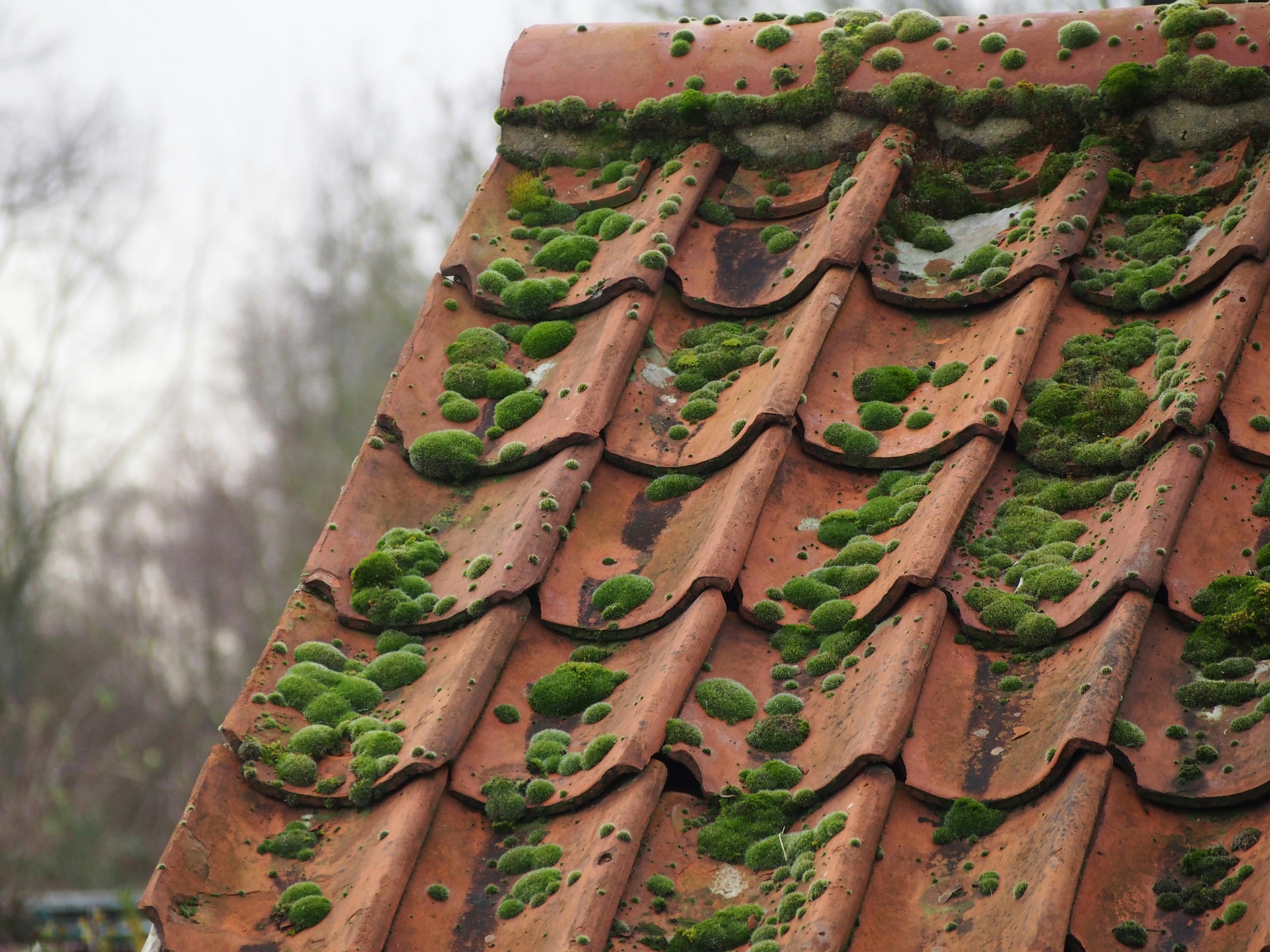
Moss thrives in the Pacific Northwest's wet, overcast climate, and once it takes hold, it works against your roof every single day. The root-like structures moss sends into shingles — called rhizoids — lift and separate the granule layer that protects your shingles from UV and water. Over time, this leads to cracking, curling, and premature failure.
Left untreated, a moss-covered roof can lose years of its expected lifespan. What starts as a cosmetic issue becomes a leak waiting to happen. Algae creates dark streaking that traps heat and moisture. Lichen bonds directly to shingle surfaces and is the hardest growth type to remove without damaging the material underneath. All three are common on roofs throughout King and Pierce counties — and all three respond well to professional treatment when caught early.
Moss
Moss builds up in thick mats that hold moisture against your shingles around the clock. The rhizoids anchor into the granule surface, and as the colony expands, it physically lifts shingle edges and creates pathways for water infiltration. It spreads fastest on north-facing and shaded roof sections.
Algae
Gloeocapsa magma is the blue-green algae responsible for the dark, streaky staining you see on roofs across the region. It feeds on the limestone filler in asphalt shingles and spreads by airborne spores. Beyond the appearance, algae retains moisture and accelerates granule loss.
Lichen
Lichen is a composite organism — part fungus, part algae — and it bonds to shingles more aggressively than either alone. It's the hardest growth type to remove and the most likely to cause surface damage if scraped or pressure-washed incorrectly. Soft wash treatment is the right approach.
Black Streaking
Black streaks running down your roof face are almost always algae, not dirt. They're a sign the organism has already established a colony and is spreading. Soft washing eliminates the staining and kills the organism at the source rather than just rinsing the surface.
Granule Loss and Shingle Degradation
Every type of biological growth accelerates granule loss — the protective mineral coating embedded in asphalt shingles. Once granules wash away, the asphalt layer beneath is exposed to UV and moisture. This is the stage where shingles begin to crack, curl, and fail ahead of schedule.
How We Clean Roofs Without Damaging Them
We use a soft wash process for all roof cleaning work. Soft washing applies a low-pressure treatment solution that kills moss, algae, and lichen at the root rather than blasting them off the surface. High-pressure washing can strip granules, crack shingles, and void manufacturer warranties — it has no place on an asphalt roof.
Our process:
- Inspect the roof condition before treatment to identify any areas of existing damage
- Pre-treat heavy moss growth to loosen the colony before washing
- Apply a biodegradable treatment solution that kills biological growth at the source
- Low-pressure rinse to clear loosened material without disturbing granules
- Apply a zinc-based moss prevention treatment to slow regrowth
- Walk the roof and document conditions, with drone footage available for steep or complex pitches
After treatment, dead moss continues to shed naturally over the following weeks as rain washes it clear. We explain this to every homeowner upfront so there are no surprises.
Moss Prevention: What Actually Works
Cleaning the roof solves today's problem. Prevention is what keeps it from coming back in 12 months.
The most effective long-term moss prevention strategies for Pacific Northwest roofs:
- Zinc or copper strips: Installed along the ridge, these release trace metal ions with each rain that inhibit moss and algae regrowth. They're low-profile, long-lasting, and one of the most cost-effective prevention tools available.
- Annual or biennial cleaning: In heavy-canopy areas or north-facing roof sections, a regular maintenance cleaning prevents colonies from re-establishing before they cause damage.
- Tree trimming: Overhanging branches create the shade and debris accumulation that moss needs to spread. Reducing canopy coverage over the roof is one of the best things a homeowner can do between cleanings.
- Post-treatment spray applications: A diluted zinc sulfate or copper sulfate solution applied after cleaning extends the interval before significant regrowth returns.
We'll tell you honestly what your roof needs — and what it doesn't. If a zinc strip and a biennial cleaning will keep your roof clean, that's what we'll recommend.
Roof Cleaning Cost Near SeaTac and the South King County Area
Roof cleaning pricing depends on a few straightforward variables: roof size, pitch complexity, the severity of growth, and whether moss prevention treatment is included.
Most residential roof cleaning jobs in the SeaTac area and surrounding communities fall in a predictable range, but the only honest answer is a quote based on your specific roof. We don't price by the phone — we look at the job, give you a clear number, and explain what's included.
What affects the final price:
- Square footage: Larger roofs take longer and use more treatment solution.
- Pitch and accessibility: Steep or complex rooflines require additional safety equipment and time.
- Growth severity: Heavy moss buildup requires pre-treatment and more thorough work than light surface algae.
- Prevention add-ons: Zinc strip installation or post-treatment spray applications are priced separately and clearly.
There are no hidden fees and no pressure to add services you don't need. We're a small, owner-operated business — our reputation depends on giving you a fair price and doing the work right.
Roof Cleaning & Moss Removal — Questions We Hear Often
How often should you remove moss from a roof in the Pacific Northwest?
In most of the Seattle–Tacoma area, a professional cleaning every two to three years is a reasonable baseline. Roofs with heavy tree coverage, north-facing sections, or older shingles may need attention annually. After your first cleaning, we'll give you a straightforward recommendation based on what we observed on your specific roof.Is soft washing safe for all shingle types?
Yes. Soft washing uses low pressure and a biodegradable treatment solution — it won't strip granules or crack shingles the way pressure washing can. It's the method recommended by most shingle manufacturers and the one we use on every job.Will the moss come back after cleaning?
Some regrowth is normal over time, especially in shaded areas. That's why we offer zinc strip installation and post-treatment spray as part of our moss prevention approach. With the right treatment, you can significantly extend the interval between cleanings.Can moss actually cause a roof leak?
It can, yes. Moss lifts shingle edges and holds moisture against the roof surface continuously. Over time, this creates conditions for water infiltration, especially around vulnerable areas like valleys and flashings. Catching and treating moss early is much cheaper than repairing the damage it leaves behind.What's the difference between roof cleaning and roof replacement?
Roof cleaning removes biological growth and extends the life of a structurally sound roof. If your shingles are already cracked, curling, or missing granules, cleaning may not be the right first step — we'll tell you honestly if what you're looking at is a repair or replacement situation rather than a cleaning job.Do you offer roof cleaning as part of a larger roofing inspection?
Yes. We're happy to combine a cleaning visit with a general roof inspection. If we spot anything that warrants attention — loose flashing, damaged shingles, areas of concern — we'll document it and walk you through what we found. No pressure, just honest information.